
Learning to Trust Yourself Before the Big Decisions


When Alex first came to therapy, he was exhausted.
Not from overwork, but from constantly spinning inside his own mind. He second-guessed every choice, replayed conversations long after they ended, and relied on other people’s opinions more than his own. If a decision was on the table, big or small, he’d ask everyone around him what they thought. And the more advice he collected, the more confused he became.
He wasn’t lacking intelligence or motivation. What he was missing was trust in his own inner voice.
The Pattern: Seeking External Validation
Alex described his mental health struggles like being stuck in a fog. He’d wake up unsure of what he really wanted. He’d make a choice, then immediately question it. Sometimes he’d undo decisions entirely, not because he felt they were wrong, but because someone else’s opinion felt louder than his own.
He shared stories of regret over past relationships and opportunities he didn’t fully step into because he was too busy looking outward for reassurance. When things didn’t work out, he’d blame himself harshly. Underneath his frustration was a deep unmet need for security and reassurance. Something he never consistently received growing up.
Why Self-Validation Matters
In our work together, I explained to Alex that seeking reassurance isn’t bad in itself. We all need connection. But when external validation replaces internal grounding, it creates anxiety instead of clarity.
Every decision starts to feel high-stakes. Every opinion becomes a referendum on your worth. And the more you chase other people’s certainty, the further you drift from your own.
The way out isn’t by cutting yourself off from others. It’s by building a stronger inner anchor so that other perspectives become input, not commands.
The Feelings Chart: A Simple, Powerful Tool
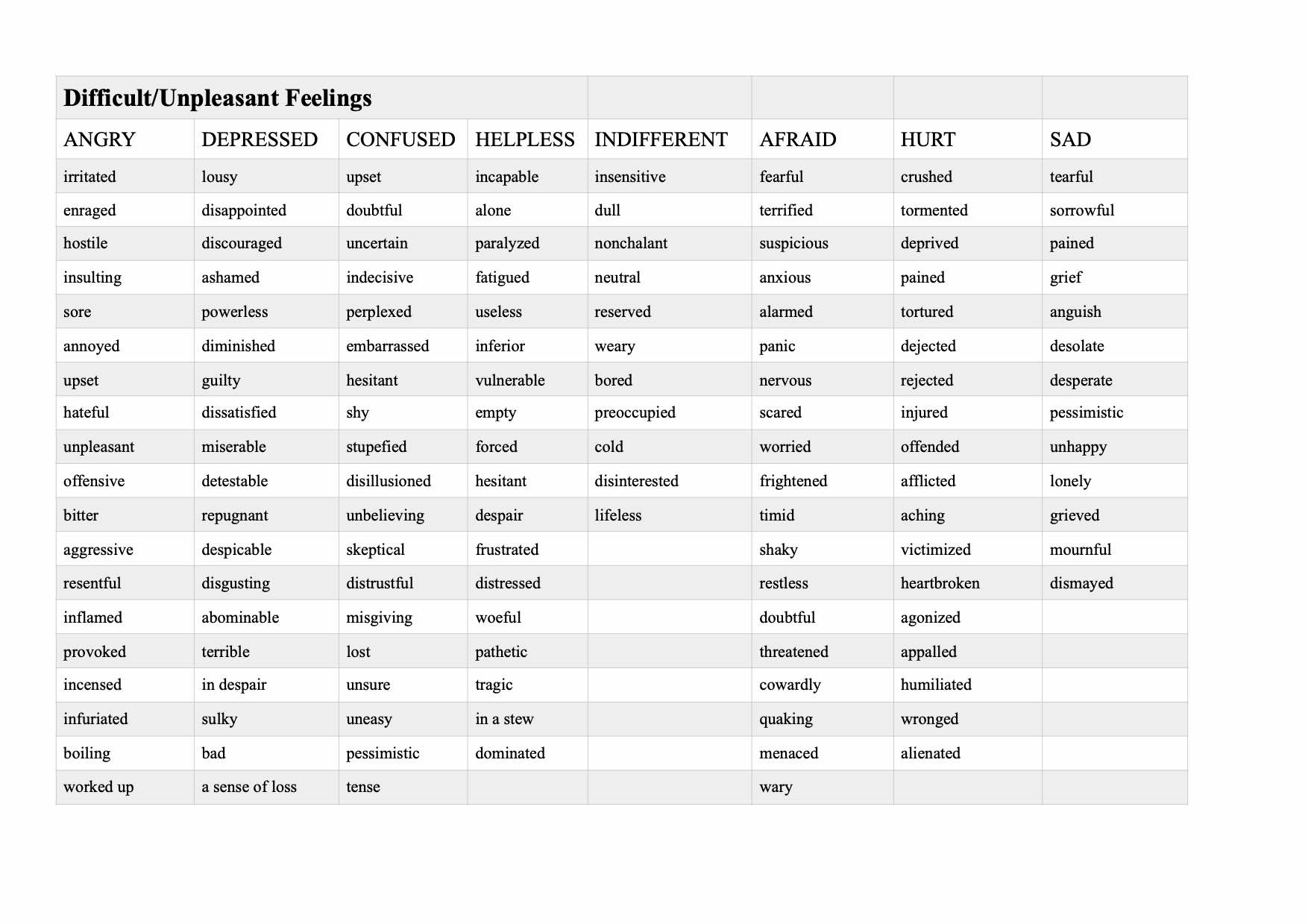
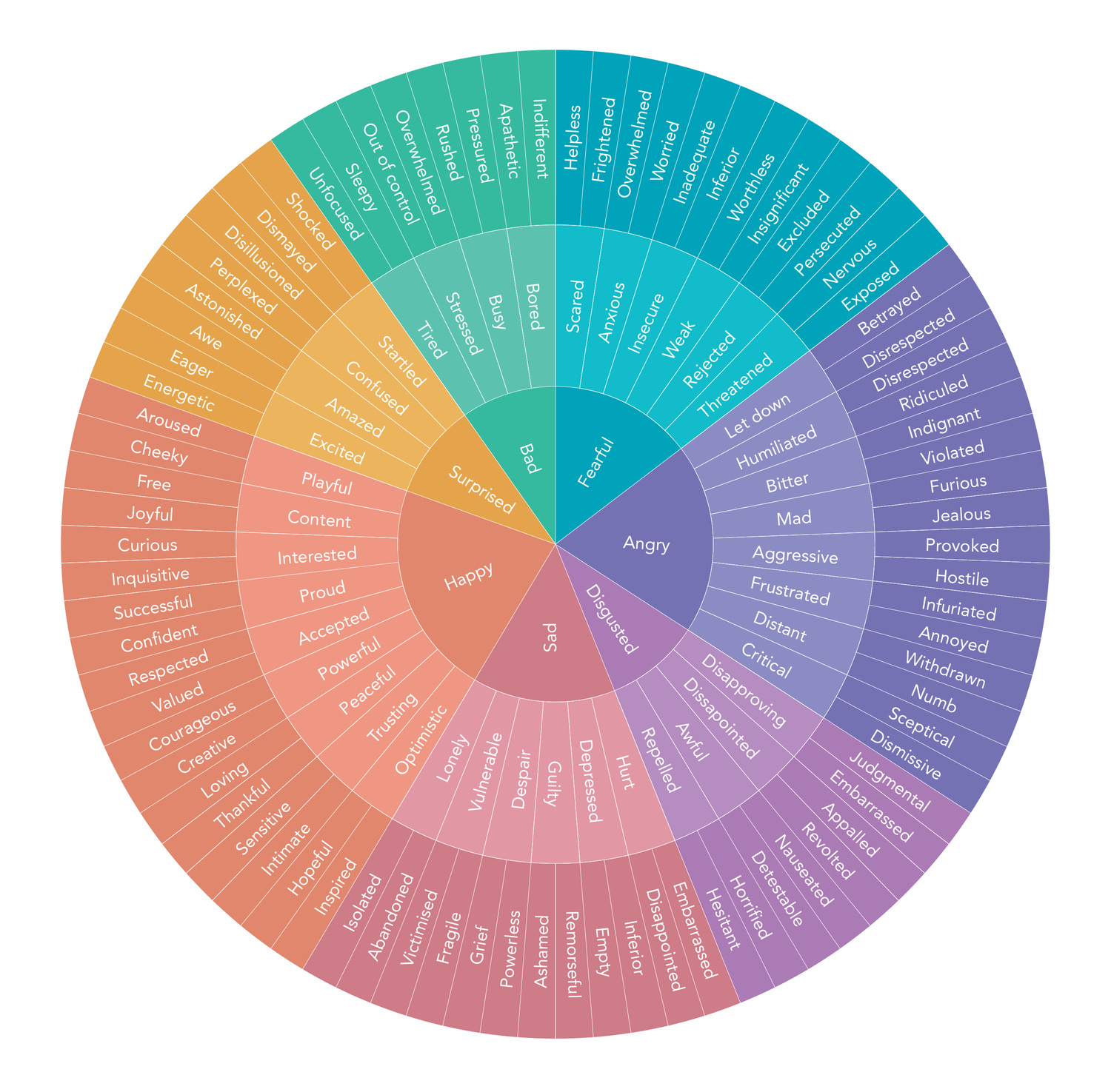
I introduced Alex to a simple daily practice: using a feelings chart.
It sounds basic, almost too basic, but that’s the point. Every day, just once, he’d take 20–30 seconds to pause and name the feelings he experienced during a moment that stood out. Maybe it was during a conversation. Maybe it was a moment of hesitation. Maybe it was when self-doubt crept in again.
Naming emotions might not seem like decision-making work, but it is. It’s how you build a relationship with yourself. By naming what you feel, you start to recognize patterns. You stop being a stranger to your own inner world.
Over time, Alex began to notice that many of his decisions weren’t actually based on what he wanted—they were based on avoiding the discomfort of feeling uncertain or alone. By becoming emotionally literate, he began to distinguish between fear and intuition, between other people’s expectations and his own needs.
Internal Growth Before External Moves
At one point, Alex considered moving back to the U.S. He was also tempted to reconnect with a former romantic interest. Both options felt emotionally charged, and he wanted to know what to do.
Instead of giving him a straight answer, I encouraged him to pause. Big external moves won’t solve internal confusion. If you bring the same patterns with you, the scenery may change, but the emotional story doesn’t.
Alex learned to slow down, tune in, and validate himself first. Before seeking advice or making a leap, he’d check in with his feelings, identify the emotional needs underneath, and ask himself, “What do I actually want here?”
That shift changed everything. Decisions started to feel less like panic and more like growth.
Emotional Strength is Built Like Muscle
We compared the process to going to the gym. You don’t build strength by lifting a massive weight once. You build it through small, consistent reps. Emotional growth works the same way. Daily check-ins. Honest reflection. Naming what’s happening inside rather than outsourcing it.
Alex began to feel more solid. Not perfectly confident all the time, but grounded enough to make decisions from a place of self-connection rather than fear. That’s the real transformation.
Real Support Makes the Difference
These kinds of breakthroughs don’t happen through once-a-week conversations alone. They happen through consistent support, real-time processing, and a safe space to explore your inner world without judgment.
That’s exactly why I created the $1/Day Emotional Support Telegram Group.
For just $31/month, you’ll get:
📲 Daily prompts and tools to help you navigate emotions and triggers in real time
💬 Direct interaction with me, so you’re not left guessing between sessions
👥 A supportive community walking the same growth path
🎥 Weekly live Zoom Q&As to go deeper into your questions and insights
The group is open now, and the change people are experiencing is real. It’s affordable, practical, and incredibly effective.
Key Takeaways
External validation isn’t bad, but it can’t replace self-trust.
Emotional awareness is the foundation of clear decision-making.
Growth happens through daily emotional reps, not occasional insight.
Real support between sessions accelerates healing.
Imagine what could shift for you if you started building that inner anchor every single day.